The Sun in Exile: Reflections on the Work of Ani Wilms
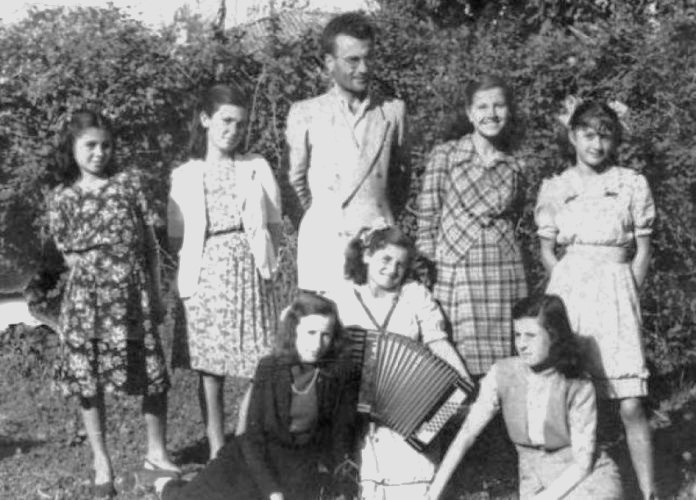
Memorie.al / The history of the protection and rescue of Jews during World War II by our people, at a time when doing so carried great risk, is internationally recognized. The humanism and courage shown by both ordinary citizens and the successive governments of the time rightly make us feel proud. However, our perception of these events – based primarily on sporadic memories or the gratitude of Jewish witnesses themselves – has often focused solely on shelter, hiding, feeding, or providing false documents.
No one has attempted to describe in detail the time, the emotional state, the psychology, the mentality, the solidarity, the observance of customary and religious rites, the suffering, the struggle for survival, the desire for work and culture under any circumstance, the keeping of hope alive, the disappointments, or the preservation of the dignity of the Jews themselves.
Consequently, the image of this moment – starting from when the Jews, with an intuition sharpened by endless persecution, trusted the legend that “anyone who crosses the border and manages to enter Albania is saved” – has been somewhat incomplete.
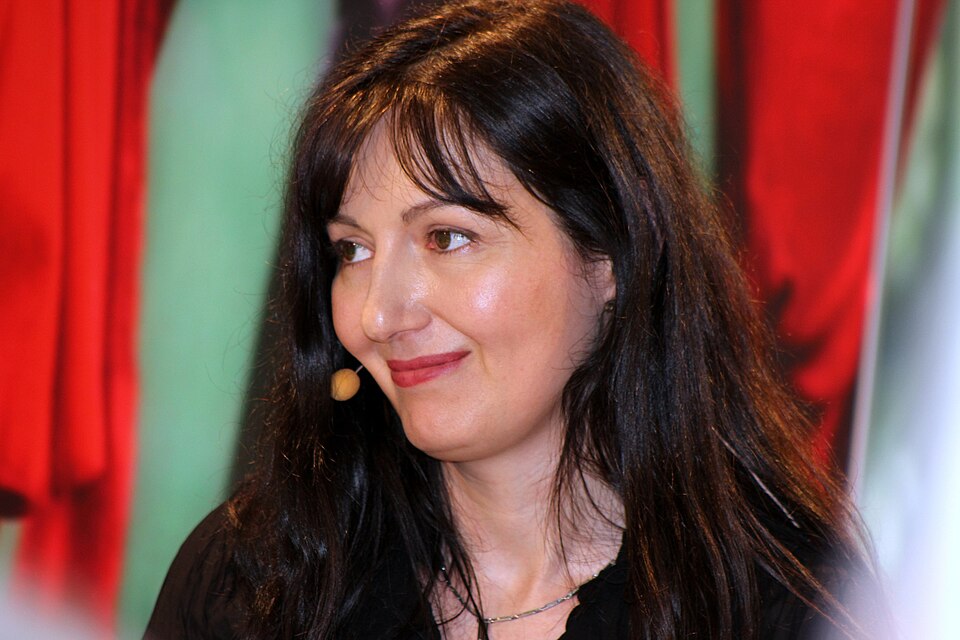
And here comes the daughter of my long-time and respected friends, doctors Dezdemona and Bashkim Habibi: the writer Ani Wilms, with her voluminous novel “Dielli në mërgim” (The Sun in Exile), published by “Dudaj”. With rare talent and amazing precision, she masterfully completes this landscape.
The Novel’s Structure and the Character of Josef Jakoel
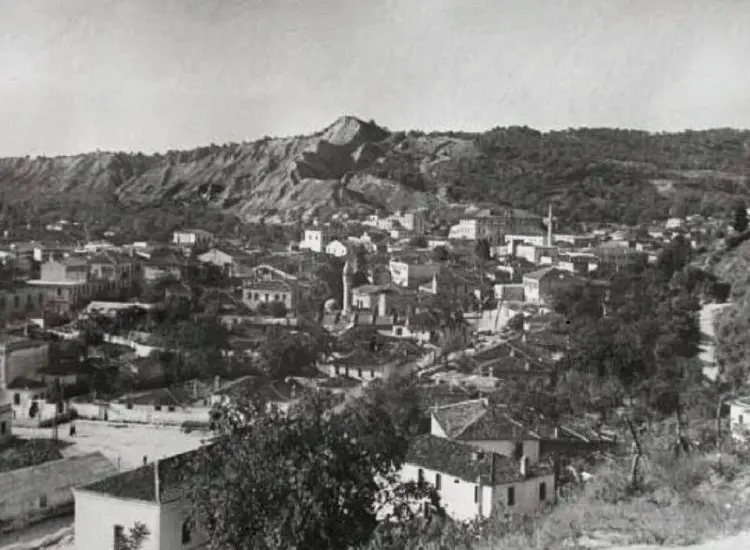
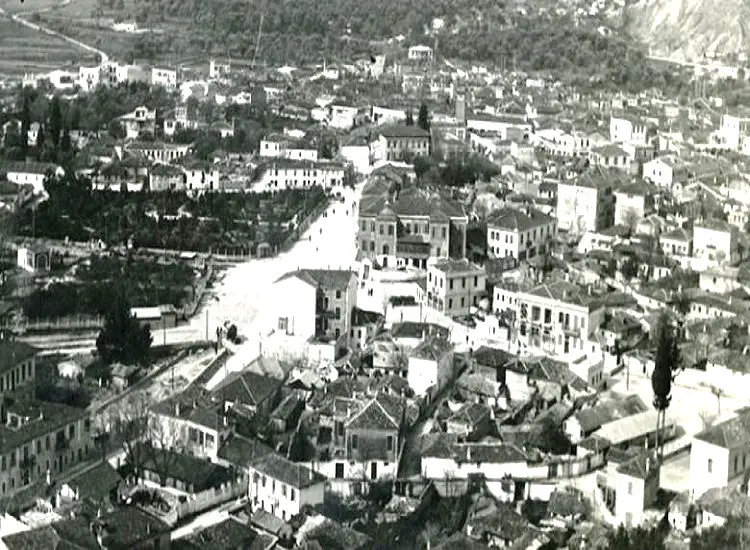
The author’s perspective on structuring this novel is quite unique. In twenty chapters and one hundred and forty-two subchapters, she follows the movements and actions of her characters against the heavy backdrop of the era – from the occupation of Albania until the establishment of the so-called “People’s Power.”
Events move with great intensity, featuring unexpected turns and shifts in the characters and opinions of both major and minor actors. On the surface, everything revolves around Josef Jakoel, a peaceful man who feels as much Jewish as he does Albanian. He loves his family deeply, but equally so the Albanians. He believes in ideals and is a man of integrity. He sees the beauty of life in work, education, music, philosophy, and books.
This is why he incessantly reads Schopenhauer, Balzac, Chekhov, Heidegger, and Freud. He values friendship, as does his entire family. It is no coincidence that Uncle Mateo addresses the people of Vlora with the words: “Your friendship weighs more than gold to us. A life without friendship is the saddest thing in the world.” This sentiment is echoed by Mr. Kurti on behalf of the City Council: “My Jewish brothers! This city admires you for your strength and patience. You are among those who may bend, but never break.”
The Clash of Culture and Brutal Reality
Jews, wherever fate cast them, did not sit idly by. They found ways to earn their living through the sweat of their brows. Josef’s family, starting with his father Rafael, had established the manufacturing trade “Levi & Jakoel” in both Vlora and Durrës.
Josef worked, but also looked forward to meetings with intellectuals, finding joy in conversations with Dr. Quandt, whom he called his mentor. His upbringing led him to the conclusion that: “Culture is something that gives a sense of immortality to the person who understands it, for it creates a link between sensory reality and the supernatural.”
Yet, harsh reality often renders both perception and one’s stance toward it powerless. If the fetishization of culture could truly influence daily life, the German people – creators of Nazi ideology – would not have caused such indescribable pain to another cultured people like the Jews, resulting in six million victims.
Human nature is strange; even the doctor cannot explain why “the Albanian cannot understand, and even feels sorry, as to why these two admirable nations, the Germans and the Jews, should be enemies.” From this, Josef suffers from nightmares filled with screams of terror. The doctor, as a psychologist, explains: “…the war comes from within! The avalanche of nightmares and horrors overtakes the human brain and buries it. People resist for a while, but then they surrender, and terror occupies their souls. This is the source of all wars: the unbearable pains and cramps that push people to the brink of madness.”
The Great Disappointment and the “Mad” Vlora
As the war progresses, the Jewish community is bewildered. They discuss what stance to take and generally support the resistance of the young men and women in the mountains. Josef himself joins them, serving at a monastery led by the patriotic priest Papa Theodhosi. He witnesses the sacrifices of the partisans firsthand.
However, the struggle for power turns Albanians against one another – divided into Communists, Ballists (Nationalists), and Legalists. This is the most difficult moment for the author to navigate, yet Ani Wilms does so with unprecedented wisdom and impartiality, tracing the roots back to the famous Mukje Agreement.
The disappointment follows when the “victors” establish new laws without mercy or gratitude. Jewish property is confiscated, taxes are imposed on “extraordinary war profits,” and torture is used to extract gold. Josef sees intellectuals and nationalists executed in the streets by their own brothers. The Jakoel family business is destroyed, their homes taken, and they are relegated to the misery of a hut.
People change; spies are everywhere. Even Josef’s old friend Zaho, once considered a “brother,” is now part of the new regime. Josef is shocked by how quickly things turned. He once felt warmed by the idea of communism, but began to cool toward it when he saw the movement in Moscow encouraging the young to lie to and rob their own fathers.
It is here that the chilling observation is made: “The wise Vlora had vanished from the face of the earth; only the mad one remained.” He hears the crowds, who once were hospitable, now screaming “To the noose with the enemies!” behind courtroom doors.
Conclusion
Everything built with such effort was being demolished under the guise of building a “new world.” Revolution revealed its key trait: the delirium of destruction. In their cold hut, the Jakoel family still observed their rituals, finding solace in the hushed music of Arturo Toscanini on a repaired radio.
Josef Jakoel, now abandoned by his friends, sorrowfully concludes: “Albania has become a great prison under the open sky.” His only consolation in this “great dance of nations” was to accept the catastrophe as a historical moment rather than letting it crush his spirit.
Ani Wilms adds immense value to the book by describing Jewish festivals and customs with such detail and intimacy that she seems Jewish herself. Without a doubt, this novel honors Albanian literature and will occupy an important place in its “golden chain.” It signals the arrival of a prose writer with a brilliant future./Memorie.al