
By Hasan Mustafa Shahinaj
Part Two
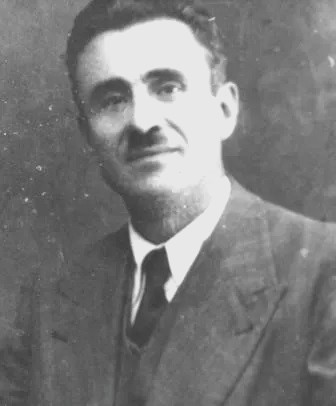
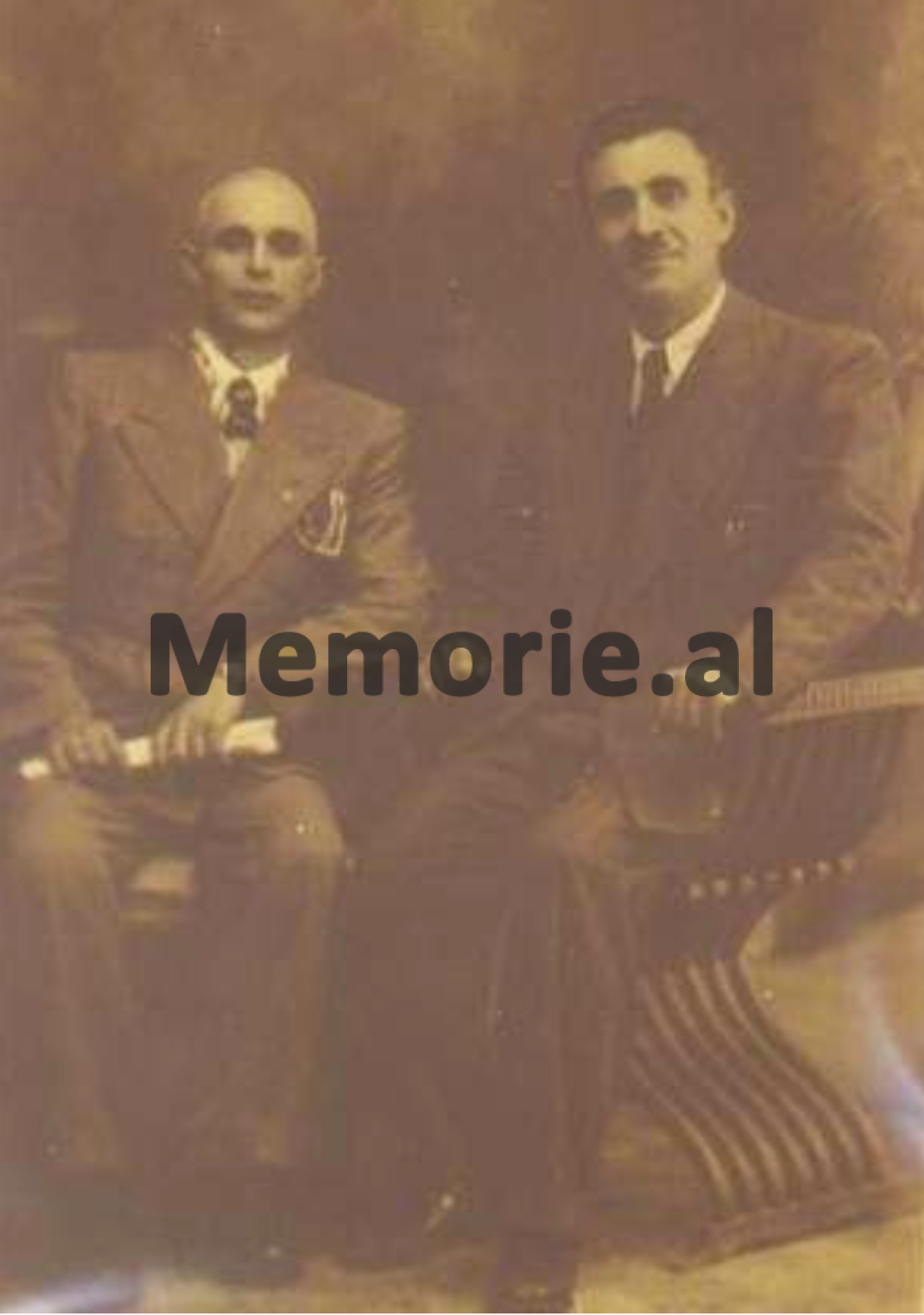
“Riza Kishta, a name that shall not be forgotten”
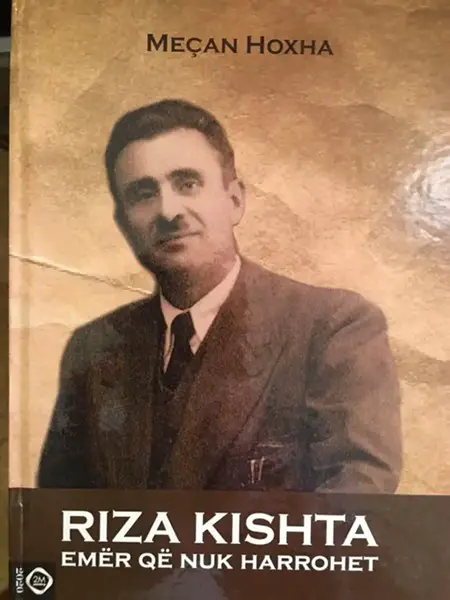
Memorie.al / From time to time, I have shared updates regarding the book “Riza Kishta, a name that shall not be forgotten,” because the reactions to it have been remarkable. Since its publication in 2020, it has been reprinted three times, read by approximately 5,000 people within its first year, and has inspired over 20 articles from various critics, historians, and publicists. This time, researcher and poet Hasan M. Shahinaj brings an in-depth study, originally published in “Fjala e Lirë” (London).
Continued from the last issue…
An Objective Monography of Great Value
The chapter “Riza Kishta Abandons ‘Balli’ and Joins the National Liberation Antifascist Front” is described with particular conviction by author Meçan Hoxha. Using archival material from the Central State Archive (A.Q.SH.) and original memoirs of political figures from both sides (the Front and ‘Balli Kombëtar’), Hoxha highlights the weight of Riza Kishta’s personality – his intellect, vigilance, and unmistakable manhood.
Thanks to these virtues, the wise Riza Kishta challenged the servile lackeys of the Communist Party of Albania – prototypes of Kadri Musai and his followers. For instance, in the first elections of December 2, 1945, Riza ironically told the committees: “Vote for the name of Kadri Musai of the Communist Party!” He did this in an attempt to extinguish the fires of extreme, inhuman ambition that were being plotted to eliminate him physically.
Riza was a patient and cautious man in all political confrontations across Gramsh; he was a cold-blooded, big-hearted patriot who never sought clashes or harm to the people. He walked on a “razor’s edge” through the poisoned terrain of “blood snakes” (enemies), eventually earning the titles Riza Efendi (the benevolent gentleman) and Riza Ismaili (Kishta) – titles of respect bestowed upon him by the people of Gramsh.
A Bridge between Political Worlds
His value was recognized by the administrative elites of both sides. He served as a member of the National Liberation Council in the Democratic Government of Berat in 1944, held the rank of First Captain, was a commander in ‘Balli,’ and a Major in nationalist groups. Despite his multifaceted career, author Meçan Hoxha makes it clear: Riza Kishta dedicated his life to his homeland, freedom, and progress. He specifically desired a rule of law and a pure, true Western democracy.
He was inspired by and valued by prominent Elbasan intellectuals such as Lef Nosi, Et’hem Haxhiademi (former Mayor of Elbasan), Alush Lleshanaku, and Sotir Paparisto, as well as ‘Balli’ leaders like Mit’hat Frashëri and Ali Bej Këlcyrë. Riza was a staunch antifascist to the last drop of his blood, but also a seasoned anticommunist, disillusioned by the deceptive promises of leaders like Enver Hoxha – whom he viewed as a tool of Pan-Slavism who betrayed the most capable men, such as Mustafa Gjinishi and Nako Spiru.
Tragically, the “partisan boys” whom he liked and protected from being killed were the ones who ultimately betrayed the indomitable Riza Kishta, ushering in 45 years of a one-party communist regime – a tragic consequence of which was the elimination of the elite of Albanian nationalism.
Eighteen Months of Protection by the People
The chapter “18 Months under the Protection of Friends” reveals the true stature of Riza Xhemal Kishta. The people loved him so much that they sheltered him at the risk of their own lives – in cellars, stone caves, and specially made huts. Even Kapo Lena, a former partisan battalion commander, stopped the sadistic communist Kadri Musai from carrying out his dark plan to murder Riza, choosing instead to hide Riza in his own home.
The Soul of a Humanist
The monography includes 13 memorial tales that paint a psychological and social portrait of the man. A striking example from 1936, when Riza was a deputy, recounts how he personally financed the transport of a deceased stranger’s body from a Tirana hospital back to the distant region of Kolonja, simply out of human compassion.
The memoirs of his niece, Sabrie Koçi, are heart-wrenching. One cannot help but ask: How could they kill a noble man like Riza Kishta? He did not act out of material wealth, but out of a noble lineage and a heart shaped by a difficult childhood as an orphan.
Death in the Cell: A Hero’s End
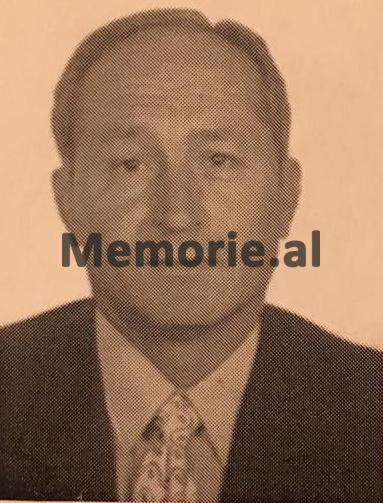
After 56 years of his remains being hidden, his grandson Ilmi Ismaili finally located them. Over 800 people attended his reburial in Çerragë. It is said that “A man and a horse die standing up, on the road of life, never on their knees.” Riza Ismaili (Kishta) died in his cell as a hero, without uttering a word to his captors. He stood like an ancient, deep-rooted oak of the Gramsh land, facing the storms of betrayal and the extreme malice of the communist regime.
Conclusion
Author Meçan Hoxha, as a serious historian, counters the falsehoods written by Kadri Musai and others. The book is an accurate chronicle of a life cut short at age 52 by a regime that “began and ended with blood.”
Riza Kishta remains a symbol of a great and rare man. This monography is not just a book; it is a living monument to a name that shall not be forgotten. His life serves as a lesson for future generations: it is not the weapon or the torture that wins, but the mind and the spiritual will that overcome every obstacle./Memorie.al
May his soul shine and rest in peace!