Memorie.al / Fifty-four years ago, by order of the leadership of the time, a group of Albanian specialists would begin work on the construction of the memorial dedicated to the fallen Albanians at the notorious Mauthausen camp in Austria. It was August 15, 1968, when we were summoned by the Ministers of Construction and Education, respectively Rrahman Hanku and Thoma Deljana, who communicated the leadership’s order to build a memorial in Mauthausen – as other nations had done – dedicated to the victims from our country in this infamous extermination camp. Present at the meeting were: designer Robert Kote and specialists Adem Kormaku, Llazar Mazniku, and Taqo Miho. We were three experienced construction specialists from the “21 Dhjetori” Enterprise who had participated in the construction of the Palace of Culture in Tirana, since “Hero of Socialist Labor” Trojçe Mazniku laid the first stone at the start of the works, an event attended by the former Soviet leader Nikita Khrushchev, who initially promised to build the facility as a gift but later canceled it himself.
With the completion of the Palace of Culture works, we were dispersed to other construction sites of the “21 Dhjetori” Enterprise, until we were selected to implement the works for the memorial in Mauthausen – a project designated as of special importance by the leadership of the time, as we would be representing the Albanian state.
The leadership’s orders regarding the political and state importance of the project
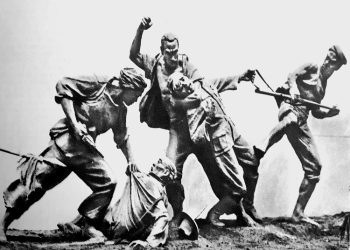
In the meeting with ministers Hanku and Deljana, we were handed the completed project by engineer Robert Kote, with all the details for the execution of the monument’s works. Meanwhile, the well-known sculptor Odise Paskali had been tasked with preparing the bronze bust of the victorious partisan, at whose feet would lay a German soldier struck down by rifle butts, symbolizing the victory over fascism. As soon as we received the assignment, we studied and broke down the project in detail for every item and work process.
We accurately pre-determined the necessary materials for the completion of this project, which were to be taken from Albania. The “Josif Pashko” Combine was tasked with producing all the necessary materials – the marble slabs, the stones for the initial cladding of the column, and every other material required by the project according to the prepared lists. Work was carried out with responsibility and dedication, both by the “Josif Pashko” Combine and the sectors of the “21 Dhjetori” enterprise, where the ironwork for the base and the column was prepared.
The project’s funds were held by the Ministry of Education and Culture. After a month of preparation, under our responsibility as the specialists who would implement the works, we checked the production quality and quantity of every material. We deposited the entire material base in the warehouse and all three of us went to report to Minister Rrahman Hanku that we were ready to depart for Austria. The next day, the Minister of Education and Culture, Thoma Deljana, called us into his office to explain in detail the political and state importance of building this memorial. The specific task from both ministers was for the Memorial to be completed by the November holidays of that year.
The period of strained Albania-Soviet Union relations
After a few days, we received our passports prepared by the Ministry of Internal Affairs, along with some instructions. All three of us were emotional; happy on one hand, but also anxious about this important and responsible task assigned to us. We waited impatiently for the departure date. September 20 coincided with a tense situation in the country due to the aggravation of relations between Albania and the Soviet Union. In those circumstances, we received a summons with three red lines for military mobilization. We immediately reported to the Tirana Military Branch, where, after clarifying the task we had received and showing our return passports, we were allowed to proceed with our assigned mission.
The next day we reported to the enterprise, where we found three trucks with large trailers lined up. The Durrës Export Park had been tasked with transporting all construction materials from Tirana to Mauthausen, Austria. On the afternoon of September 23, we left Tirana for Elbasan, from where we would cross the Qafë Thanë border into the former Yugoslavia as quickly as possible the next day. The trucks were overloaded, so they could not travel fast. This was the time when former Prime Minister Mehmet Shehu denounced the Warsaw Pact, with radios blaring his speech, while a state of emergency had been declared and the entire Albanian people were in a state of alarm.
THE PERILS OF THE JOURNEY TO VIENNA, ACCOMMODATION IN THE ROOMS WHERE GESTAPO OFFICERS HAD SLEPT
On the morning of September 24, 1968, we crossed the Qafë Thanë border and at 12:00, we arrived in Struga, where we took a short break for a coffee. For us, it was our first trip abroad. We were to travel 2,000 km from Tirana to Vienna. The export drivers knew the roads well and were familiar with every city we passed. It was a mix of pleasure and exhaustion. The diary of that journey is filled with various memories: Struga-Ohrid-Bitola-Niš-Belgrade-Zagreb-Maribor, and on September 27, at the Austrian border, they caused us some problems at customs just to delay us! Austrian customs escorted us to Vienna. We arrived at 03:00 am on September 28. All three trucks were blocked at the Vienna customs.
The three of us slept in a hotel within the customs premises. The three-day stay for document verification at customs was a bonus for us, allowing us to visit the city of Vienna and its breathtaking beauties. On October 1, at 05:30 am, we left for Mauthausen, arriving at our destination five hours later – the camp where we would unload the materials from the three trucks. The employee from the Albanian embassy in Vienna who accompanied us met with the building administrator, who gave us a large shed to unload the construction materials, and we received the warehouse keys. We were accommodated to sleep in the camp near the work site, in the rooms where Gestapo officers had lived. The rooms had three beds, a refrigerator, and a place to cook.
START AND PROGRESS OF WORKS IN MAUTHAUSEN
On October 2, 1968, we woke up early. We had requested the embassy to notify the Urban Planning Office of Linz, which administered the Mauthausen territory. Promptly at 8:00 am, the chief architect of Linz arrived with a Site Plan where the plot for the construction of the Albanian memorial was designated. He communicated the rules we had to follow during the construction process. Blocking the road was not allowed. Excavated soil and construction waste had to be dumped 5 km away… and so we received the permit to start work. Based on the coordinates we received for the site, we immediately staked out the project and began. A large volume of work awaited us. We would also act as simple laborers, from digging to moving soil. The diary of the work progress and the difficulties that accompanied us is very long.
The camp administrator, Emanuele, became friends with us. After seeing us working on the excavation for the foundation ourselves, he asked one day: “When will the specialists for the construction of the facility arrive?” We replied that everything until the completion of the memorial would be done by the three of us, and he was left astonished.
We worked with dedication for extended hours because winter was approaching, and temperatures in that area dropped to minus 25-30 degrees. Emanuele, of Spanish origin, was an eyewitness to the tortures in this extermination camp. Having survived, he had settled in Mauthausen and worked as a guide and administrator of the remaining buildings. He explained in detail all the events he had experienced in this camp. We were lucky that our friend, Llazar Mazniku, could communicate in Italian with Emanuele.
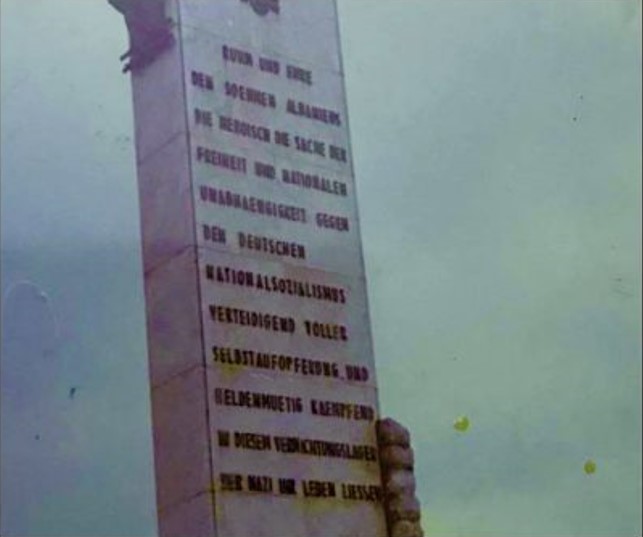
One day he told us: “You Albanians are a very good people. I knew many Albanians here in the camp that, unfortunately, were burned in the crematoriums or died from torture and lack of food.” He then continued: “The three of you are artists who will raise a statue here in memory of those martyrs who brought freedom. Therefore, before you start work, you must know the tragic stories that happened here, as they will help you greatly in your work.” Emanuele told us stories of endless inhuman tragedies! During the long working hours, we encountered many difficulties. We didn’t even have a transport vehicle to remove soil and debris. The site took on a different appearance. The nearly 8m column was raised, the 120m2 plaza was leveled, and the base for the sculpture was built. We clad the column in marble, which bore inscriptions in Albanian and German. Bronze fists were placed on two sides of the column at the plaza. The column and the surroundings took on an attractive look. It was, in fact, a miracle.
Visitors from many countries around the world constantly approached and congratulated us on the work we had done. We felt true pride when they said: “Albania! Bravo Albania!” Numerous visitors expressed gratitude for Albania, and we felt proud to be sons of this country. On November 16, 1968, the first snow fell in Mauthausen. But we had finished the main works. We were tidying and cleaning where the snow did not hinder us. We were at the end of the works and waiting for the bronze sculpture, which should have arrived. The works in Mauthausen were followed step by step by diplomats from our embassy, such as Rakip Hoxha, Koli Bezo, etc. They had developed a special regard for us and respected us immensely. This was a result of the contacts, the work we had done, but also the information the embassy had gathered through its own ways regarding our character and dedication.
On November 25, we were notified that the sculpture we had been waiting for impatiently had arrived, as all other works were completed. Unloading it from the truck and moving it to the base was not easy, since the two bronze figures and their bronze base were very heavy. The crane to unload it could not come when we wanted, and to avoid wasting time, we built a platform, laid boards, and with the help of rollers, we carefully lowered it and moved it successfully onto the base. Without scratching it at all, we managed to stand it upright. Now, the victorious partisan, a symbol of the Albanian people’s victory over fascism, stood majestic in Mauthausen. This work of art, with its special symbolism, brought us immense joy – not only to us who worked on its realization and the staff and photographer of the Albanian embassy in Vienna, but also to the many visitors from all over the world. On November 27, 1968, in exceptional cold, we gathered our tools and materials and loaded them into the car. We said our friendly goodbyes to Grocia Emanuele, who had been ready to help with anything we asked.
CHILLING TESTIMONY FROM THE MAUTHAUSEN CAMP
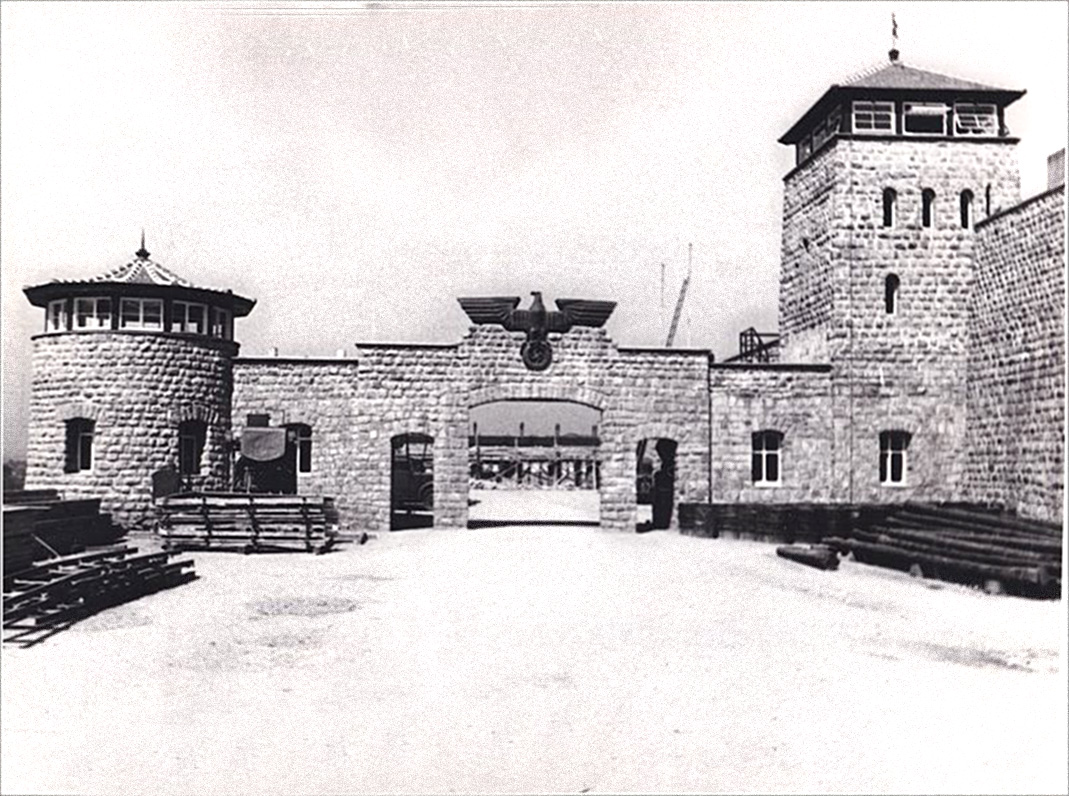
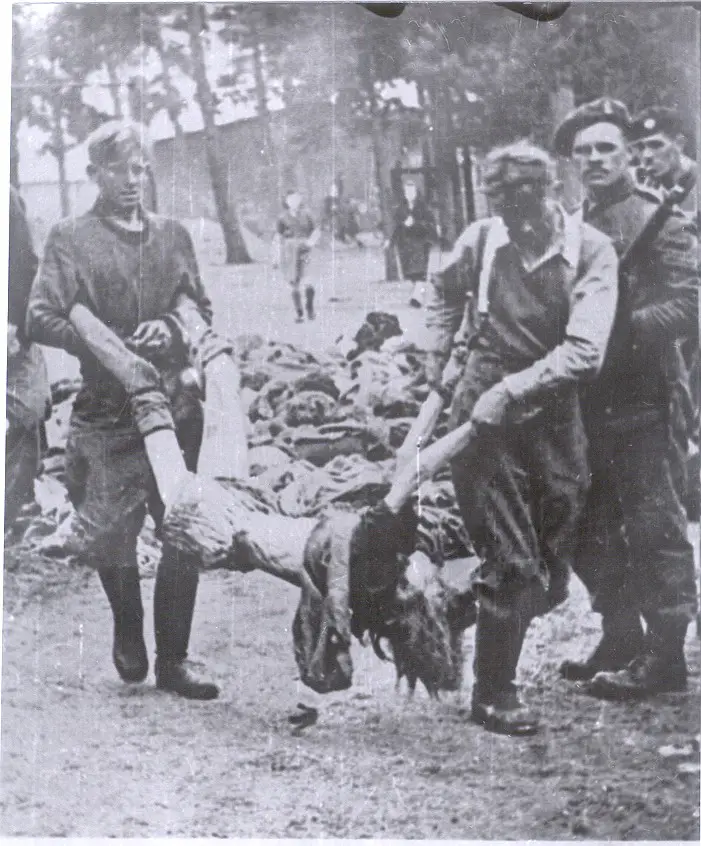
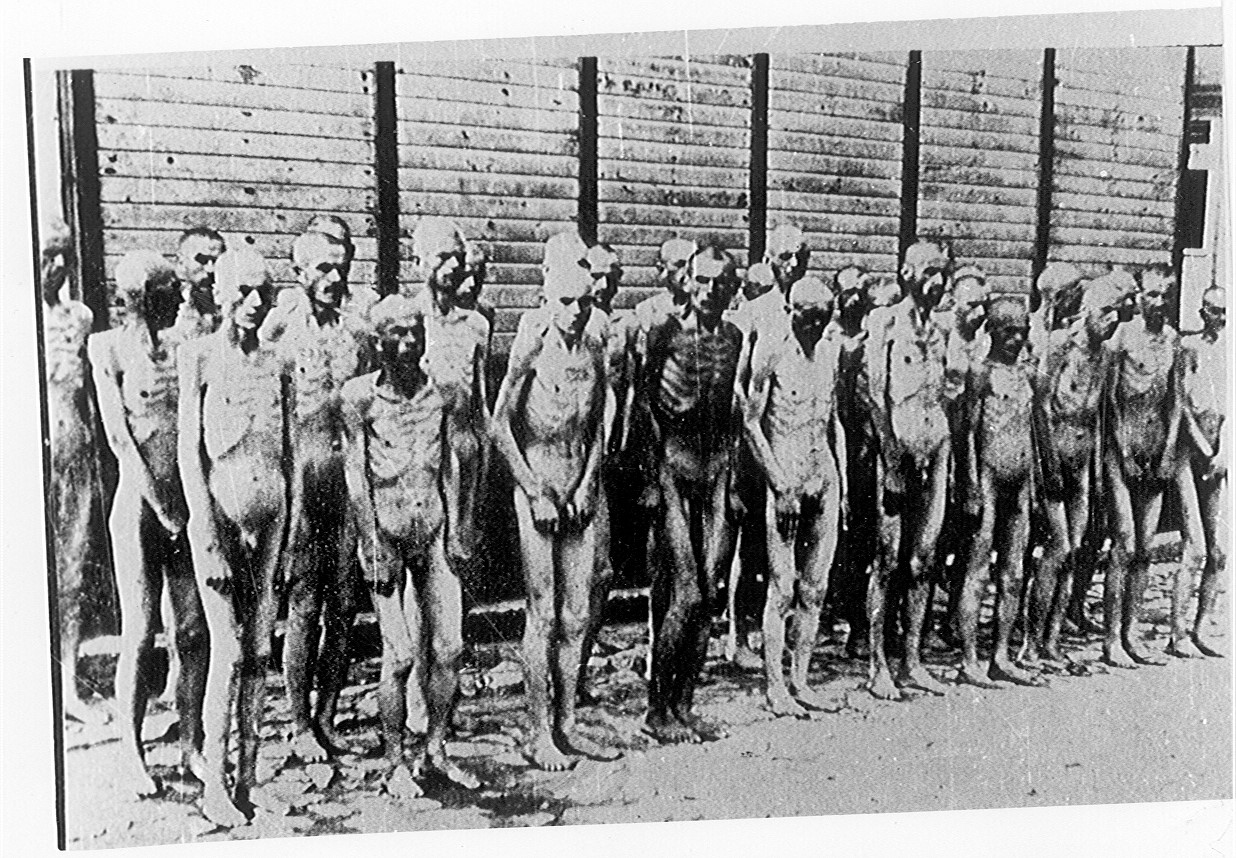
From the visit we made to the Museum of the notorious Mauthausen Camp, we learned only chilling testimonies and facts. Mauthausen was a Nazi concentration camp located near the villages of Mauthausen and Gusen in Austria, about 20 km east of the city of Linz. By 1940, Mauthausen-Gusen had become one of the largest concentration complexes in the territories controlled by Nazi Germany in Europe. Hitler used this camp to send his greatest political enemies to their deaths; hence the Nazis called it “The Bone Mill.”
The Mauthausen camp was a complex of labor and concentration camps, with 5 main camps. Mauthausen is famous for the “Stairs of Death.” Prisoners had to climb 186 steps carrying concrete blocks weighing 50 kilograms, placed one after another. If someone fell, others behind him fell due to the domino effect created. The strongest had the chance to choose to be shot (which was called an easy death and supposedly a favor) or to push another prisoner from behind to die so they could continue living. Many chose the firing squad.
In January 1945, the camps directed by the central office in Mauthausen contained about 85,000 prisoners. The death toll remains unknown, although sources cite between 122,766 and 320,000 deaths for the entire complex. Among the 122,766 dead in this extermination camp were: 32,182 Russians; 8,203 French; 30,203 Poles; 12,890 Yugoslavs; 5,730 Italians; 742 Belgians; 7,300 Greeks; 12,123 Hungarians; 6,502 Spaniards; 4,473 Czechoslovaks, 1,500 German anti-fascists; and 235 Austrians. Thousands of families from Luxembourg, England, the Netherlands, America, etc., were also exterminated. The two main camps, Mauthausen and Gusen, were the only camps in all of Europe labeled as “Grade III,” or camps intended for the elimination of “uncorrectable political enemies.”
Albanians in the camp
The number of Albanians convicted in the camp was around 600, while it is believed that most Albanian prisoners died in this camp. In the years 1943-45, the Nazis arrested about 530 people in Albania, mainly in Vlorë, Durrës, and Tirana, and sent them to the prisons of Pristina, Zemun, and Banjica in Yugoslavia, and later to the concentration camps in Mauthausen. According to camp data, it appears that 427 Albanians entered, of whom only 24 survived. Most of the convicts had been interned in the camp as collaborators with the Anti-Fascist Movement or because of resistance against the occupation. Among them were partisans, communists, nationalists, republicans, Zogists, and anarchists. / Memorie.al