By Gëzim Kabashi
-The unknown history of the Cham community, on the beach of Durrës-
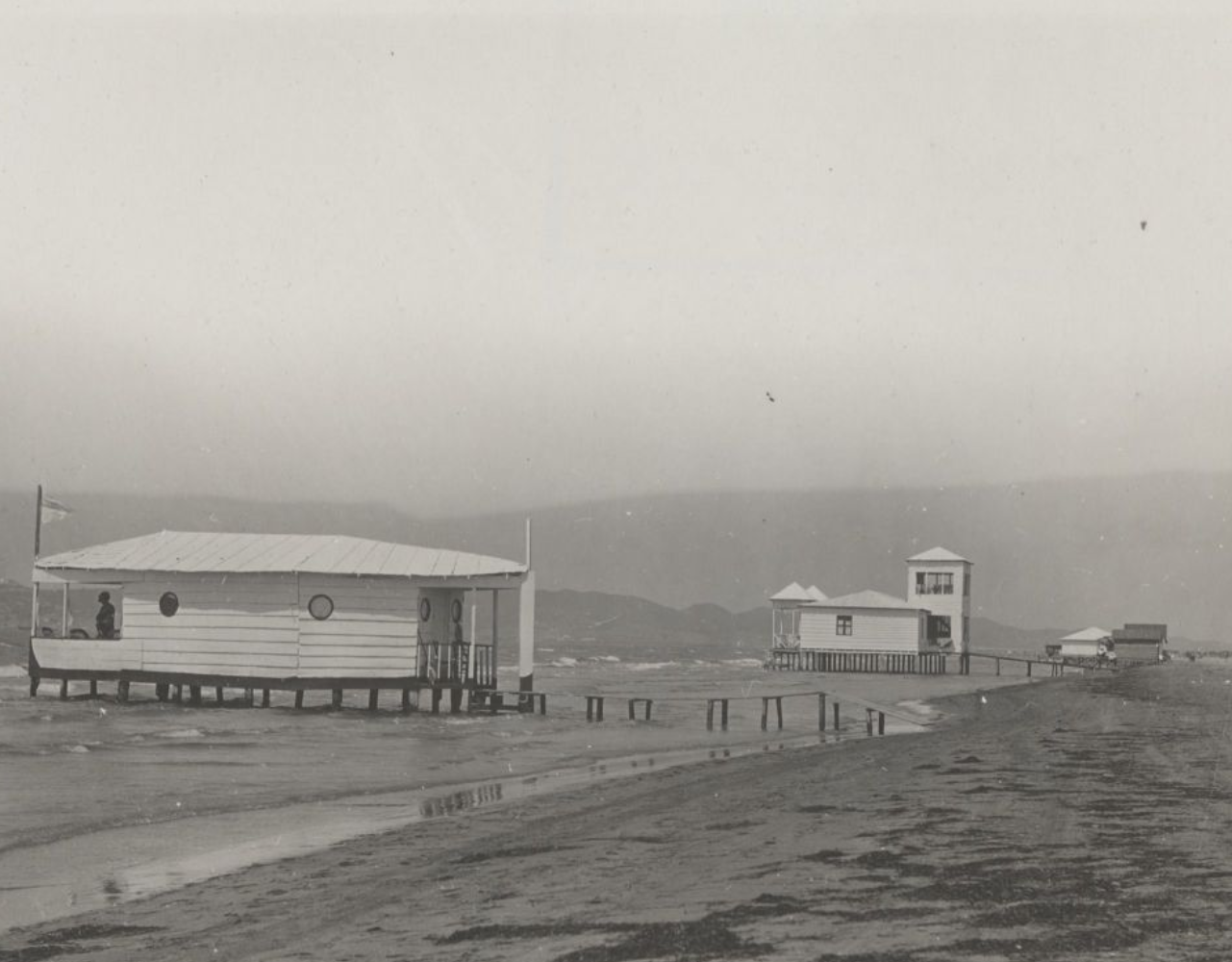
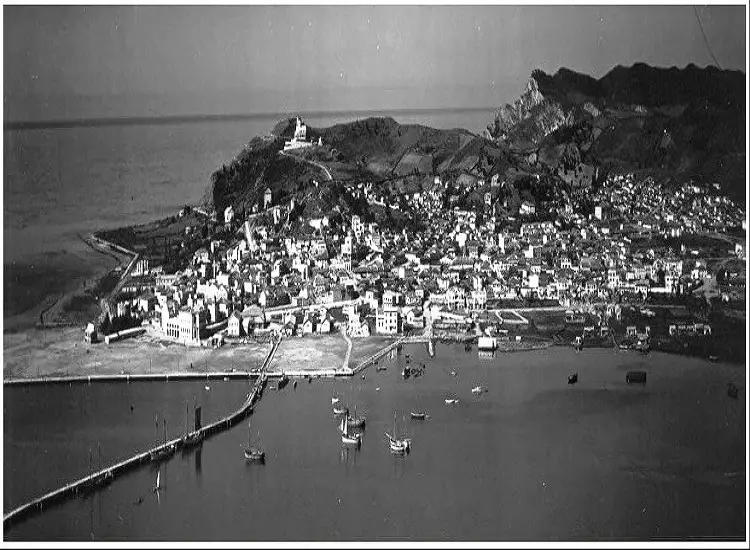
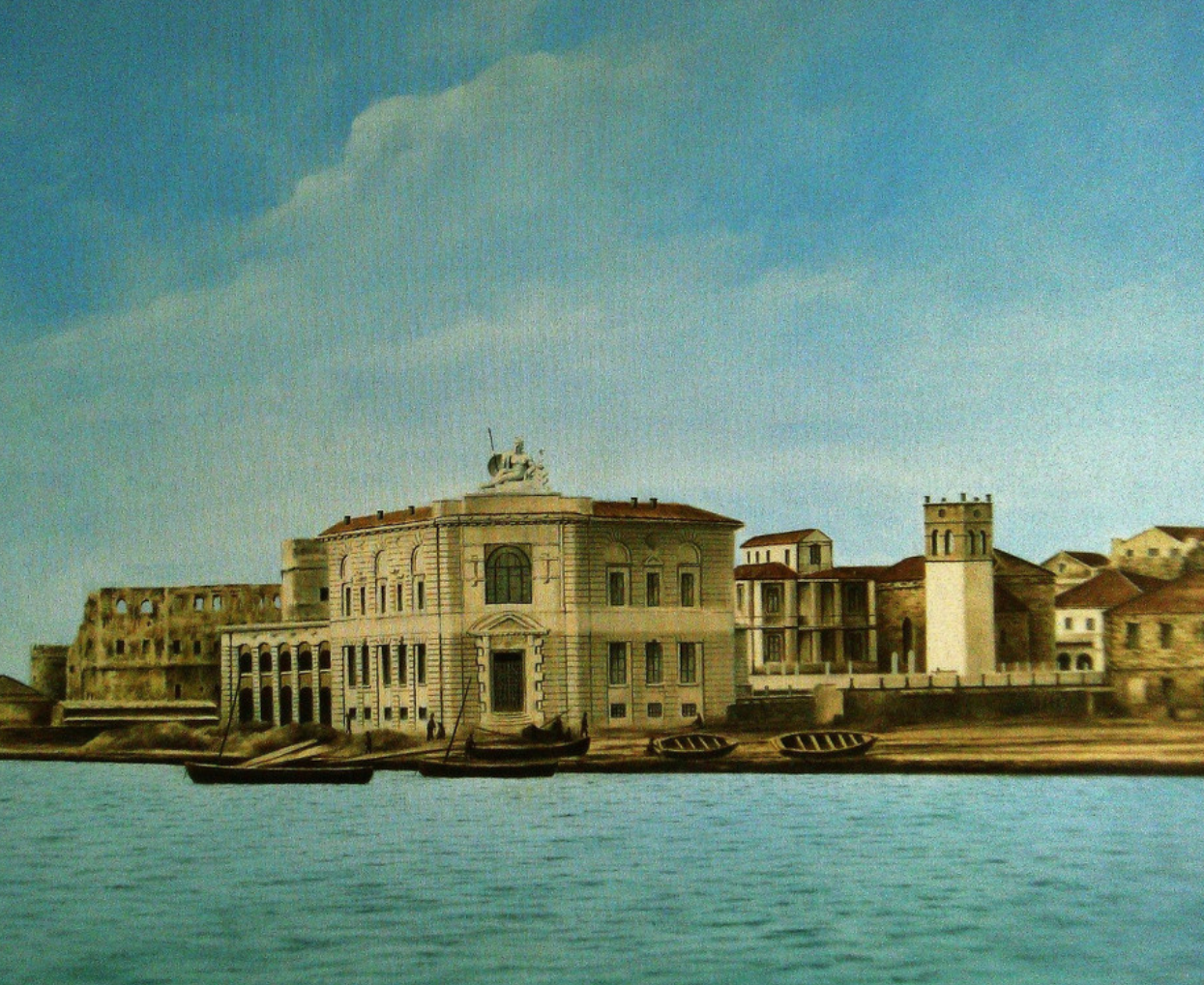
Memorie.al / Durrës Beach is turning a century old, since when the first merchants’ villas were built on the coast. Meanwhile, 500 meters further, on the other side of the highway to Kavaja, at the end of the Second World War, settled the Chams who were expelled from their lands in Northern Greece. To this day, they remain direct witnesses of the development of the country’s largest beach, and at the same time, also representatives of the survival of the Cham community, which even today continues to live only a few kilometers from the ancient city.
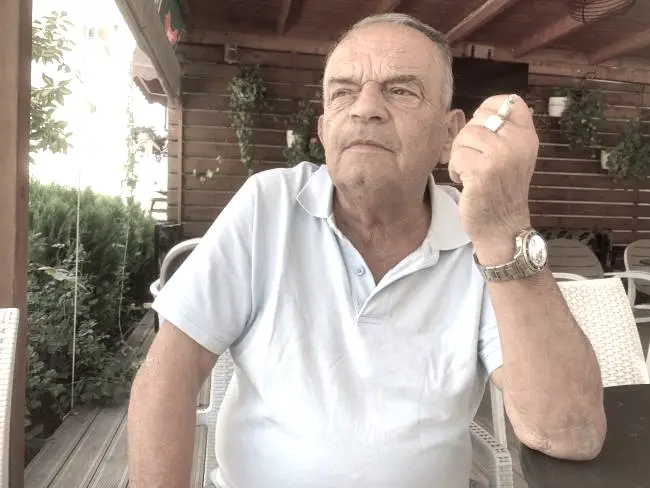
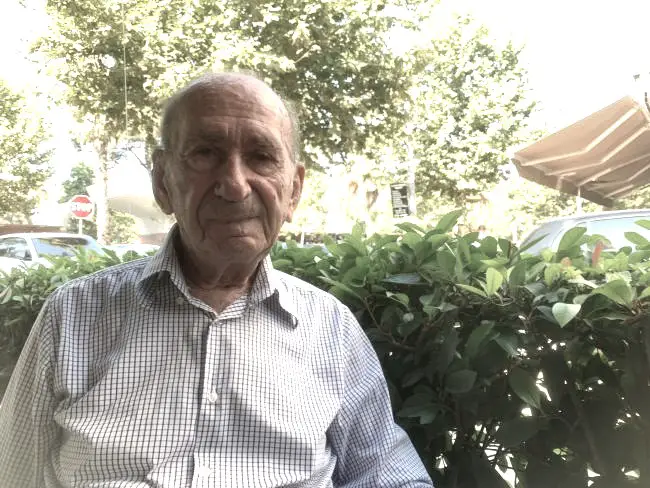
“I was 12 years old when my family settled in this territory, a desert of dunes, where juniper vegetation prevailed – says Prof. Hajredin Isufi, who has just celebrated his 91st birthday.
“It was 1944, and a part of my family, after the Greek genocide, moved from Çameria to Saranda, in the boats of Himarjots, while my father arrived from the mountains with a few cattle amid a thousand difficulties”, he recalled.
In the story of Prof. Hajredin have bitter memories when his mother had no bread to feed him, or when his parents climbed the forest on the Rock of Kavaja, to cut wood, with which they earned a few more ALL.
According to him, still without a status as residents of Albania, the Chams took care to settle in the coastal areas, in Vlora, Fier or Durrës, where they thought that their new life would be easier.
The beach of Durres was completely deserted and about 100 Cham families initially took up residence in the abandoned villas on the coast, built during the Monarchy.
“The state did not prevent us, as we were still considered refugees due to the unexpected relations between Albania and Greece. The declared figure of those expelled from Çameria reached 23-25 thousand people, but it was never made official – said the 91-year-old researcher.
“We were called Albanians only in 1953, when the state provided us with passports” – brings to mind Hajredin Isufi. In the conditions of continuous and silent persecution of the state, the Chams of the beach became strongly connected to each other.
“My mother and father met by chance in the hospital, due to an accident. Within 24 hours, my grandparents decided to marry the young people, more for reasons of survival, than for family happiness” – says Hysen Hyseni, 75 years old.
“A few years later, my father was sentenced to 8 years in prison, for trying to escape, and our life became even more difficult,” he recalled.
Even now Ceni, as all the neighbors call him, lives where he was born, in the “Hekurudha” establishment, in the center of the 3.4 km long beach.
The Durres beach was deserted and had the same appearance as it did during the Monarchy, when the Party leader in the Durres district ordered the Chams to leave there, because they were spoiling the appearance of the area.
It was the middle of the 60s and the Chams still consider it as “the next persecutory eviction”, leaving without any support, where each family had to manage on their own, starting from housing to work.
“All the residents who were near the Durrës-Kavajë road were taken to the neighborhood of Spitalla, a territory with dense forest and where swamp mosquitoes prevailed” – testifies Hajredin Isufi.
At the same time, at the beginning of the 1970s, the government was reminded of the systematization of the beach. The nationalized villas that were built during the pre-war period were made available to the families of party members and high officials, as well as to international representatives of the communist parties.
The first rows were built with plywood cabins, or concrete blocks, to which were later added umbrella tents, where ordinary families rested during the 12 days of the ordinary leave.
The shacks where the Chams lived on the beach did not meet the requirements for a developed beach, and this was a sufficient reason to send them to the uninhabited area in the north of the city.
The others, located far from the beach and behind the railway tracks, saved the few Cham families who continued to live there from eviction. They try to take advantage of the many requests of families from different cities of the country, who do not find a place to rest in state cabins.
The Chams start renting out rooms in the summer season, after they manage to get permission, from the People’s Council of the neighborhood, and from other instances. Meanwhile, the expelled Cham residents of Spitalla are trying to return to the place from where they were expelled.
After they had done all the hard work in construction or loading and unloading, they called it a very good solution, treating the houses as tourist apartments. The rooms for rent were a good income, and without much fatigue.
Family members from all over the country who were looking for a solution for their summer vacations began to turn to the area with “cham rooms”.
Prof. Hajredini, who had graduated in the History-Geography department, invited the most prominent people from the Institutes of History, Linguistics, the State Archives, and so on, to his house for holidays.
In exchange for the gratitude, for the two weeks of vacation on the beach, he himself earns the right of recognition with complete archival documents for Durrës and Çamëria. The respected professor is the author of a dozen books about his hometown, the village of Rrëzanj in Çamëri, and about prominent figures of the national movement.
“Now the Chams are found all over the world – said Prof. Come on.”Those who have remained here on the beach, take care of the apartments that they rent out in the summer season, but not only theirs, but also those of their brothers and sisters, who have chosen to live and work in the rest of the world” – he concluded he. Memorie.al