• Rreth Nesh
  • Kontakt
  • Albanian
  • English
Friday, January 23, 2026
Memorie.al
No Result
View All Result
  • Home
  • Dossier
  • Interview
  • Personage
  • Documentary
  • Photo Gallery
  • Art & Culture
  • Sport
  • Historical calendar
  • Others
  • Home
  • Dossier
  • Interview
  • Personage
  • Documentary
  • Photo Gallery
  • Art & Culture
  • Sport
  • Historical calendar
  • Others
No Result
View All Result
Memorie.al
No Result
View All Result
Home Dossier

“When he came out of the hospital in Shkodra, because he had cut his veins in a suicide attempt, due to the pressure of the Security, he sacrificed himself, drowning in…”/ The tragic story of the well-known translator, Teme Sejko’s brother

“Si u inskenua nga Sigurimi “Komploti çam” dhe helmimi i gjeneral Hilmi Seitit që s’pranoi të ishte…”/Historia tragjike
“Kur doli nga spitali Shkodrës, se kishte prerë damarët në tentativë vetëvrasje, nga presionet e Sigurimit, u vetëflijua, duke u mbytur në…”/ Historia tragjike e përkthyesit të njohur, vëllai i Teme Sejkos
taho-sejko
“Si u inskenua nga Sigurimi “Komploti çam” dhe helmimi i gjeneral Hilmi Seitit që s’pranoi të ishte…”/Historia tragjike

By Enver Kushi

Memorie.al / Dear father Cervi. It’s been more than a year since I got hold of your book, which I have read and re-read several times, I have set about translating it into Albanian and I hope that after some time, I will be able to put the history in the hands of Albanian readers. of his family, the story of seven Italian resistance fighters, who sacrificed their lives for the holy cause of freedom. I have the firm belief that the translation into my language of this fascinating story will serve the Albanian people, to learn the history of the Çervi family, which – as you say – is the history of the Italian people, brave and hardworking, the history of the whole Italian families, who have fought for their rights. But I would add that this is also the history of all the peoples who fought against fascism and Nazism, and the history of the Albanian people, who for centuries, with weapons in hand, have resisted many types of foreign occupiers, traitors inside”.

These lines that we are publishing in this article belong to a paper that is being published for the first time. It was written by Sulo Mehmet Sejko, in December 1957. Sulo Sejko addressed the letter to Alcide Çervi, the father of seven boys, on the occasion of the 13th anniversary of their heroic fall. The author of the letter, it seems, got hold of the book in the original Italian in 1956; “I miei sette figli”, authored by Alcide Çervi.

Sulo Sejko, as he writes at the beginning of the letter, has read and re-read it several times, “I have been tasked with translating it into Albanian and I hope that after some time, I will be able to put the history of your family in the hands of the Albanian reader, the story of seven Italian resistance fighters who sacrificed their lives for the holy cause of freedom”.

Gjithashtu mund të lexoni

“Pavli Terka, a wealthy Aromanian who owned the houses of a large neighborhood near the port, as well as one of the city’s hotels, was the man who…” / The unknown history of the Aromanians of Durrës.

“Doctors, operators, veterinarians, midwives, or other health officials who issue false certificates to inspire trust in the Authority shall be punished…” / What did the Penal Code of 1928 provide?

But who is the author of this letter and the true translator of the book; “My seven sons”, by Alcide Çervi? I say “the real translator”, because in the Albanian language edition of the book in question, in 1961, by the “Naim Frashëri” State Publishing Company, Reshat Këlliçi, not Sulo Sejko, is the translator!

The name of Reshat Kelliçi appears as a literary proofreader in the book of Giovani Germaneto; “Memories of a barber”, translated by Sulo Sejko and published in 1957, by the same publishing house. (Title of the original: Giovanni Germanetto. Memoria di un barbiere” Prefazione di Palmiro Togliatti.)

Those who know the tragic history of the Sejko family, in the early 1960s, of the century we left behind and the so-called “Çam Group”, the fatal blow that the communist dictatorship gave to some prominent personalities originating from Çameria, do not it is difficult to understand why the name of Sulo Sejko was removed as the translator of the book; “All seven, my daughter.”

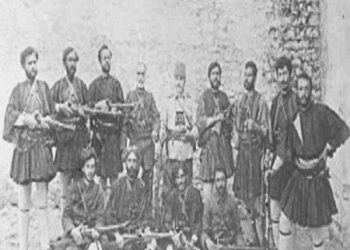
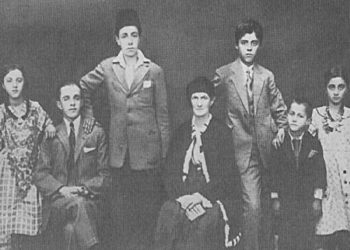
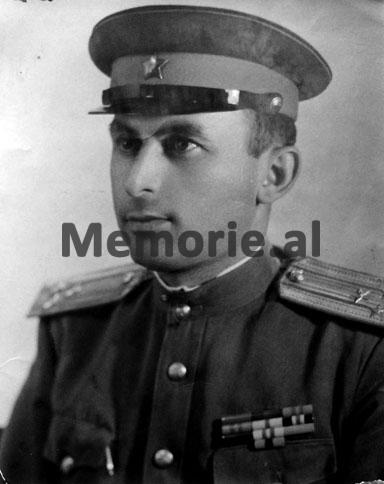
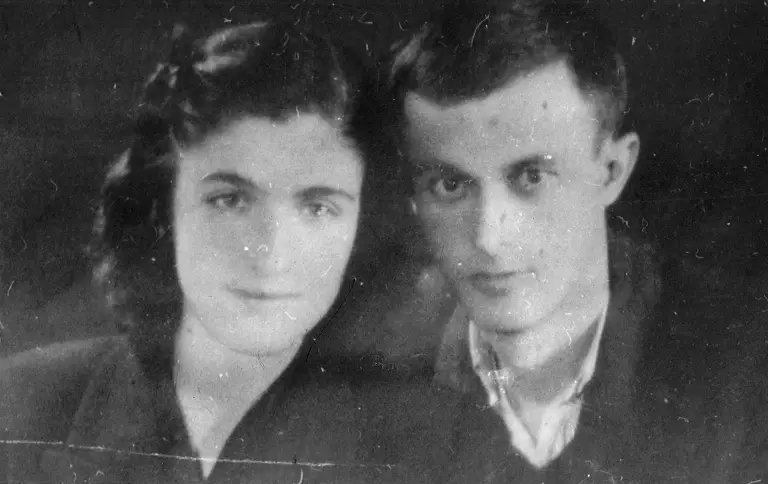
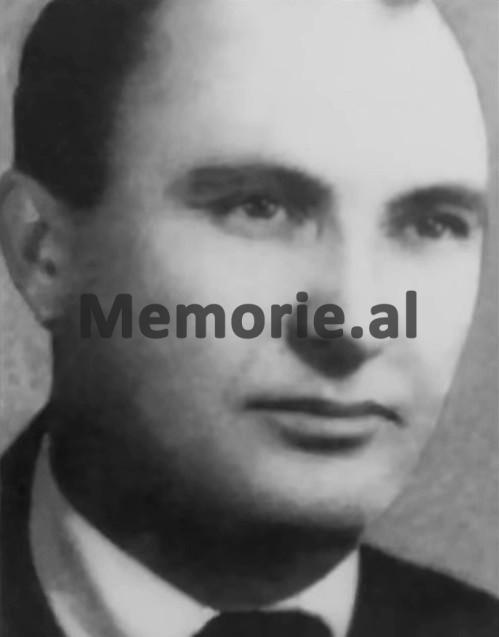
Sulo Sejko was born on November 29, 1917, in the town of Filati in Çameri. His father, Mehmet Sejko, (1876-1935), is known as one of the outstanding figures of Chameria. In 1908, he was put in charge of the “Brotherhood” society in Filat, where the secretary is another well-known name, Musa Demi. Sulo Sejko was only three years old when his family moved from Filati and settled in Konispol.

He completed the “Harry Fultz” American Technical High School in Tirana. With the beginning of the anti-fascist resistance in Albania, Sulo Sejko, like the other two brothers, Taho and Teme Sejko, joined the “Chameria” partisan squad and then other anti-fascist combat formations. After the liberation of the country, he performed several important tasks in the city of Shkodra. He knew English, Italian and Greek well.

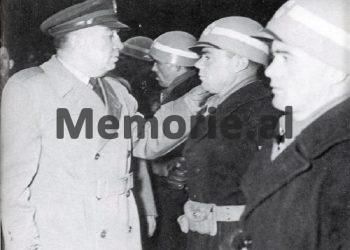
He was highly cultured, an exemplary man, orderly, quiet and taciturn, and distinguished by his brilliant humor and quick, punchy jokes. On July 28, 1960, Teme Sejko, Commander of the Naval Fleet and his older brother, Taho Sejko, a respected name in the south of Albania, where he had worked in the first years of liberation, but also in Tirana and then to Shkodër, where he was transferred after the Tirana Conference of 1956.

After the arrest of the brothers, Sulo Sejko was expelled from the party and placed under the surveillance of the State Security. The investigator was called several times. The shooting of the two brothers, but also the pressure exerted on him by the State Security, hit him hard.

In December 1962, he tried to kill himself by cutting his veins. After leaving the hospital, the investigator continued to call him from time to time, and this further aggravated his mental state, until he committed suicide on February 5, 1963, by drowning in the well. This is Sulo Sejko, the author of this deceased letter and the real translator of the book “My seven sons”.

By publishing parts of this letter, we pay homage not only to the most prominent sons and daughters of the anti-fascist resistance in Italy, but also to those in Albania. We also recall the contribution of Çameria and its sons, during the Anti-Fascist National Liberation War.

On the other hand, we remember with respect the Sejko brothers: Taho, Sulo and Teme, whose contribution to the liberation and then the progress of Albania, was badly rewarded by the communist dictatorship.

In this letter, Sulo Sejko has a lot of his great and free spirit, there is a lot of the world and the freedom-loving roots of his family, but also from the freedom-loving world of Shkodra, from the Gjylbegu family and the blood shed in the years of anti-fascist resistance, with which his wife, the sister of Naim Gjylbegu, connected him.

This letter was saved by Sulo Sejko’s son, Gezimi, and on this occasion, I thank Mr. Hektor Taho Sejko, who helped me with information about the Sejko family. Memorie.al
ShareTweetPinSendShareSend
Previous Post

Historical Calendar May 04

Next Post

"Nako Spiro's brother, the only one who did not accept propaganda materials, lived in Prague and told us; 'They killed my brother, I don't come to Albania because...'/ The rare testimony of the former Albanian diplomat

Artikuj të ngjashëm

View of the coastal town of Durrës and its harbor
Dossier

“Pavli Terka, a wealthy Aromanian who owned the houses of a large neighborhood near the port, as well as one of the city’s hotels, was the man who…” / The unknown history of the Aromanians of Durrës.

January 22, 2026
“If the culprit was habitually intoxicated, the death penalty is commuted to heavy imprisonment for twenty years, and life imprisonment is commuted to imprisonment from ten to twenty years…” / What did the Penal Code of 1928 provide for?
Dossier

“Doctors, operators, veterinarians, midwives, or other health officials who issue false certificates to inspire trust in the Authority shall be punished…” / What did the Penal Code of 1928 provide?

January 22, 2026
“It is prohibited to publish in the press or announce on the radio various data related to mineral resources…” / Directive of Prime Minister Mehmet Shehu on the preservation of state secrets, December 14, 1961.
Dossier

“It is prohibited to publish in the press or announce on the radio various data related to mineral resources…” / Directive of Prime Minister Mehmet Shehu on the preservation of state secrets, December 14, 1961.

January 22, 2026
“The Progonat Protest: When the ‘Children of the Party’ turned love into ‘Revolution’ and demanded that engagements…” / Reflections of the renowned professor on the manipulation of pioneers during the communist regime.
Dossier

“The Progonat Protest: When the ‘Children of the Party’ turned love into ‘Revolution’ and demanded that engagements…” / Reflections of the renowned professor on the manipulation of pioneers during the communist regime.

January 22, 2026
“When it became known that we, the wives of foreign embassy personnel in Tirana, had organized a lottery, the ‘big boss’ summoned me to his office and…” / The history of the clandestine lotteries, which the state knew about but could never stop!
Dossier

“I heard the guards taking him by force at midnight to face the firing squad. With a shaking voice, he said to his cellmate: ‘I leave my children in your care,’ but he…” / From the memoirs of the former Member of Parliament

January 22, 2026
“When beets became dye…!” / The hidden Easter of a childhood under the dictatorship.
Dossier

“When beets became dye…!” / The hidden Easter of a childhood under the dictatorship.

January 21, 2026
Next Post
“Nako Spiro’s brother, the only one who did not accept propaganda materials, lived in Prague and told us; ‘They killed my brother, I don’t come to Albania because…’/ The rare testimony of the former Albanian diplomat

"Nako Spiro's brother, the only one who did not accept propaganda materials, lived in Prague and told us; 'They killed my brother, I don't come to Albania because...'/ The rare testimony of the former Albanian diplomat

“Historia është versioni i ngjarjeve të kaluara për të cilat njerëzit kanë vendosur të bien dakord”
Napoleon Bonaparti

Publikimi ose shpërndarja e përmbajtjes së artikujve nga burime të tjera është e ndaluar reptësisht pa pëlqimin paraprak me shkrim nga Portali MEMORIE. Për të marrë dhe publikuar materialet e Portalit MEMORIE, dërgoni kërkesën tuaj tek [email protected]
NIPT: L92013011M

Na ndiqni

  • Rreth Nesh
  • Privacy

© Memorie.al 2024 • Ndalohet riprodhimi i paautorizuar i përmbajtjes së kësaj faqeje.

No Result
View All Result
  • Albanian
  • English
  • Home
  • Dossier
  • Interview
  • Personage
  • Documentary
  • Photo Gallery
  • Art & Culture
  • Sport
  • Historical calendar
  • Others